
categories
HOT TOPICS
- The Accelerator Conundrum
- The Startup Velocity Question
- Platform as a Service
- Man and Superman
- Web 3.0 = (4C + P + VS)
- The Future: End of Capitalism
- Capitalism 2.0

As India Builds (Part 5)
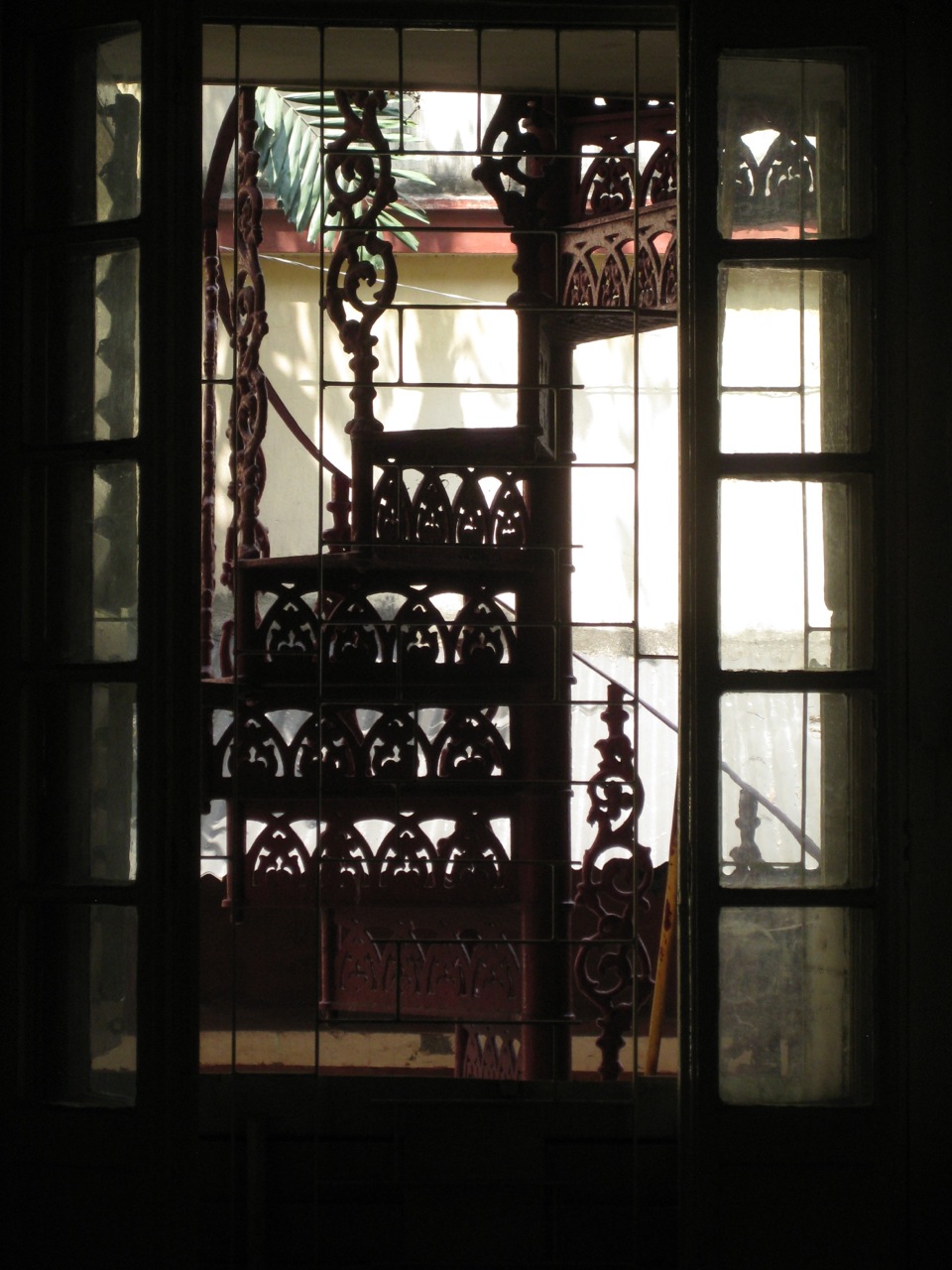
Until a few decades ago, most Bengali homes housed joint families. Our homestead on Elgin Road comfortably housed some 15 family members and another 15 servants. Sunday dinners crammed twenty around a table littered with round-puffy-golden luchis, rich-red goat curry, and an opulent choice of Sandesh and Rasogolla desserts. The children eating as fast as we could so to be excused, rushing back out into the ubiquitous smell of mangoes for intricate hide-and-seek games. We searched in the third floor roof terrace, chased down the wrought iron spiral staircase that only the janitor was to use. We hid behind the shutters in the second floor verandah, shrieked on the over-bridge that connected the main house to the outhouse, and were caught finally, gasping for breath in the greenhouse.
We had no idea of the Future.
Many of the old houses fell into partition suits when inheritance issues arose. Everything fractured – the residence, the money. Siblings and cousins divided. Most of these families sold out and split the money, abandoning the embittered homes.
Enter the Marwari promoter, cash in hand and business savvy. Old houses leveled in a matter of weeks, and in their stead multi-storied apartments sprouted oddly above the lilies of old rooftops.
This segment is part 5 in the series : As India Builds
1 2 3 4 5 6 7 8
